What Marine Life Will You See Diving Or Snorkelling Off Mykonos?
The fish, octopus, sponges and seahorses that Mykonos dive and snorkel operators name as possible, tied to the trip that names each one.
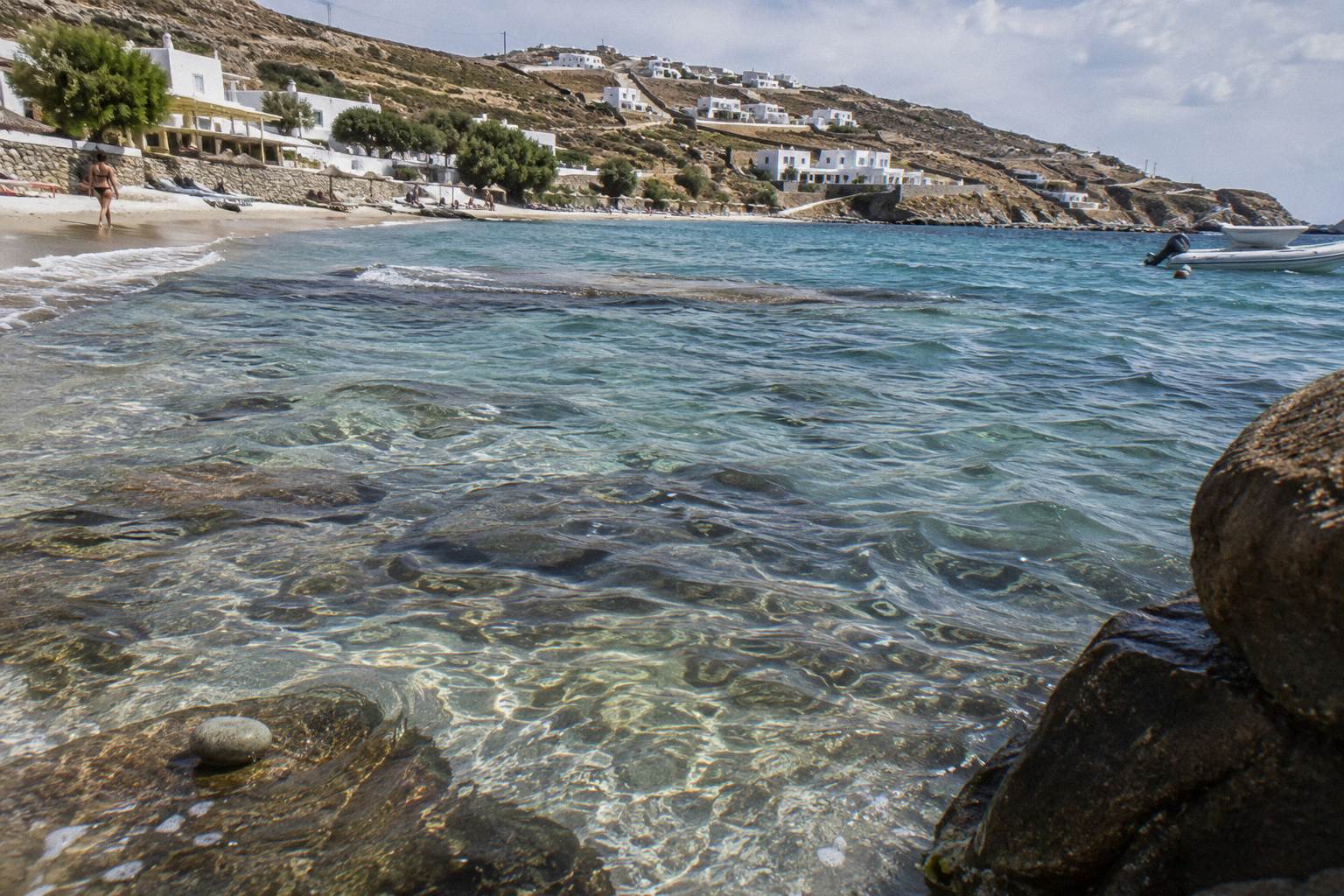
The dive centre at Paradise Beach lists groupers, barracuda, octopus, rainbow wrasse, moray eels and flounders as fish that divers may encounter, and parrotfish, wrasses, sea breams, scorpionfish and seahorses for snorkellers. GoDive Mykonos names sponges and nudibranchs at Lia Reef and barracuda schools at Kalafakiona Reef. Every one of these is a possibility the operator names, never a promise of a sighting on the day.
That is the whole answer in one paragraph, and it is worth pausing on the last sentence. No operator on the island guarantees an animal. Fish move, conditions change, and the reef that was full of wrasse yesterday can be quiet tomorrow. What a trip can offer is a named list of species that live in these waters, compiled by the people who dive or snorkel these spots constantly, and that list is genuinely useful for deciding which trip to book.
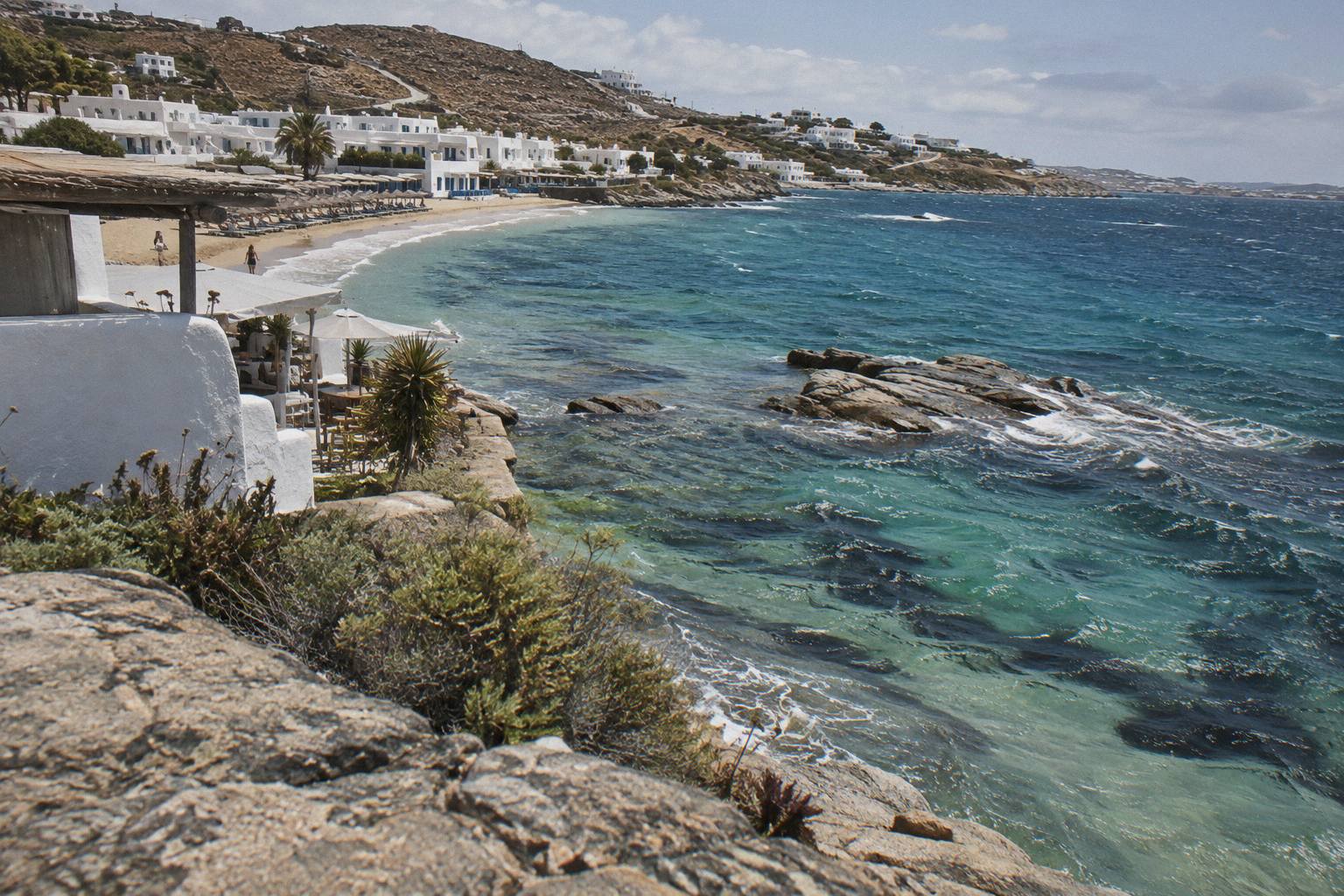
The island sits in the Cyclades between Tinos, Syros, Paros and Naxos, and covers 85.5 square kilometres, with Mykonos Town on the west coast (the island's geography on Wikipedia). The dives and snorkels on sale here are shore dives and shore snorkels, plus one private boat tour, and each operator works a different stretch of coast: GoDive from Lia Beach in the south-east, the Paradise Beach dive centre about 10 minutes from Mykonos Town, Mykonos Snorkeling at Panormos, and Mykonos Outdoors from Ornos Bay. Different water, different lists.
So the useful question is not "what lives around Mykonos" in general, but which trip's named species sound like the morning wanted. The full spread of named life, matched to the operator and the water it describes, looks like this:
| Operator and water | Named for divers | Named for snorkellers |
|---|---|---|
| Paradise Beach dive centre, house reef | Groupers, barracuda, octopus, rainbow wrasse, moray eels, flounders | Parrotfish, wrasses, sea breams, scorpionfish, seahorses |
| Paradise Beach beginner-dive description | Starfish, octopus, sponges | |
| GoDive, Lia Reef | Sponges, nudibranchs | |
| GoDive, Kalafakiona Reef | Barracuda schools (and scattered ancient amphora pieces) | |
| Mykonos Snorkeling, Panormos | Ask the operator | |
| Mykonos Outdoors, Hidden Bays route | Ask the operator |
The three most-booked ways into the water are below, and the sections that follow match each operator's species list to its trip.
Which Fish Does The Paradise Beach Dive Centre Name?
Divers on the Paradise Beach house reef may encounter groupers, barracuda, octopus, rainbow wrasse, moray eels and flounders, and the same centre's snorkelling list adds parrotfish, wrasses, sea breams, scorpionfish and seahorses. The Beginner Dive, House Reef description also names starfish, octopus and sponges as things that may be seen. All of it is stated as possibility, never as certainty.
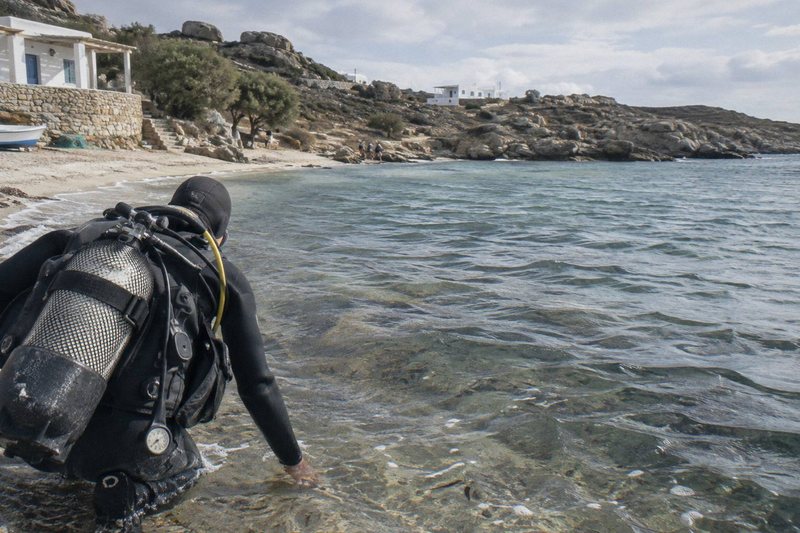
The dive centre at Paradise Beach, about 10 minutes from Mykonos Town, runs both of the beginner-friendly ways into the water on this stretch of coast: the Beginner Dive, House Reef, a PADI Discover Scuba Diving experience from €198 per person, rated 4.7 from 75 reviews, and the Group Beach Snorkeling trip from €99 per person, rated 4.8 from 60 reviews. The beach-entry dive follows Paradise House Reef towards the pier for about an hour, and it is along that reef that the centre's species lists apply.
Rainbow wrasse are the fish most beginners notice first, small, colourful and active in daylight, and they appear on both the dive and snorkel lists. Parrotfish and sea breams sit on the snorkelling list, which makes sense for a shallow shore reef where the light reaches the bottom. Seahorses are the name that surprises people: the centre lists them for snorkellers, though anyone who has looked for seahorses anywhere knows they are masters of staying unseen, and a trip that does not produce one is not a failed trip.
The scuba list runs to the shyer animals. Groupers tend to hold station near rock, moray eels stay in holes with just the head showing, and octopus are most often spotted as a shape that was not there a moment ago. Flounders lie on sand and match it. Barracuda appear on the centre's diver list as well as on GoDive's Kalafakiona Reef entry, so that is one name shared across two operators on different parts of the coast.
The Beginner Dive, House Reef is the trip to pick when that scuba list is the one that appeals, and its tour page gives the full inclusions; you can also check availability for a date. The same product appears in the comparison of whether to try a dive or the Discover Scuba Diving experience, which walks through how the two formats differ.
Two practical notes on the centre's own terms. Its three products, the Beginner Dive, the guided beach snorkel and the Certified Divers One Tank trip, are all sales final, with a weather-cancellation condition; free cancellation is not part of those three, so a booking there is a firmer commitment than at Lia or Panormos. And the centre says its dive locations are chosen daily by weather and diver experience, which is another way of saying the animal list describes the area's residents, not a fixed itinerary.
What Does GoDive List At Lia Reef And Kalafakiona Reef?
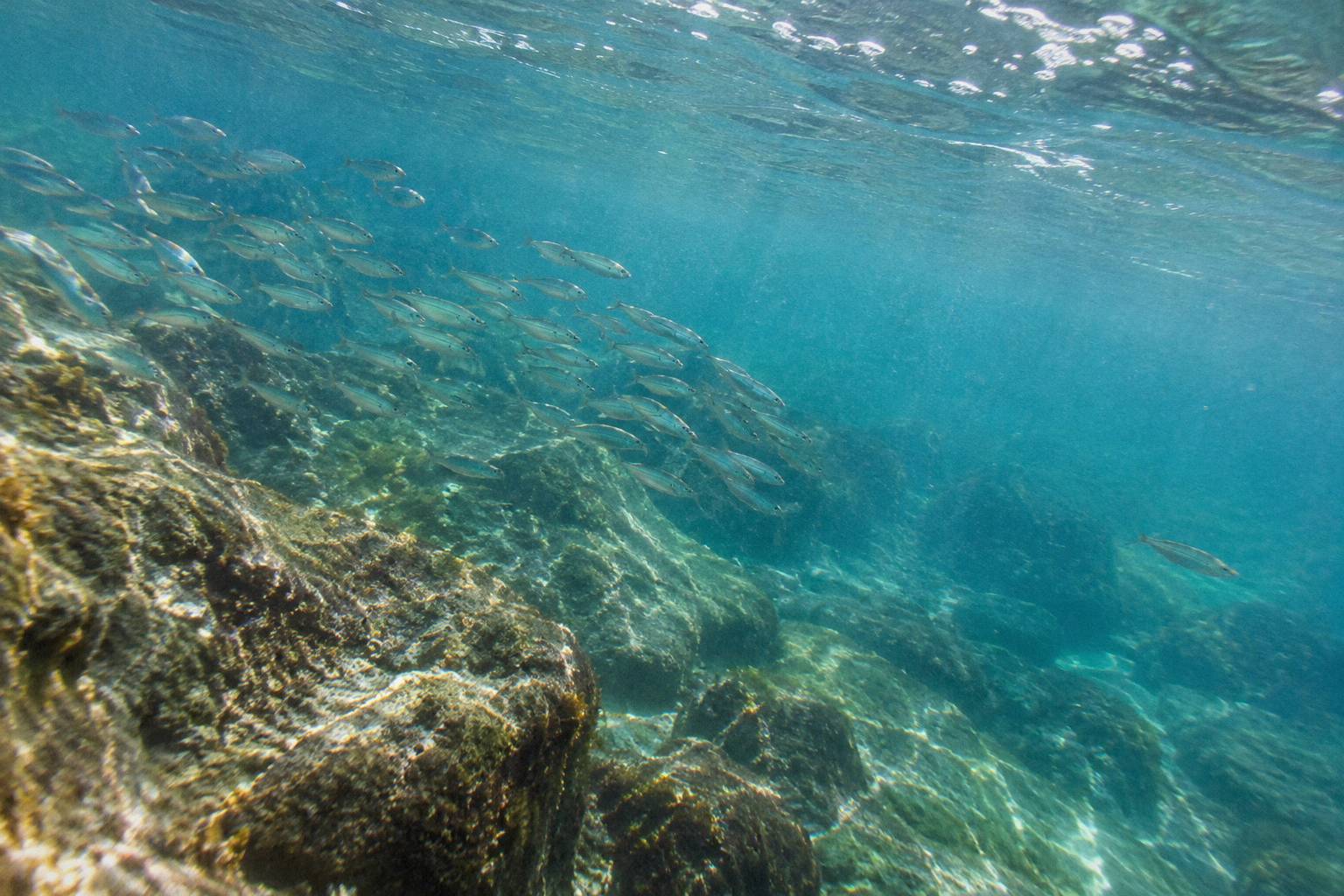
GoDive Mykonos lists sponges and nudibranchs at Lia Reef, a reef it describes as 7 to 27 m deep and 2 minutes from its base, and barracuda schools plus scattered ancient amphora pieces at Kalafakiona Reef, 5 to 35 m deep and 6 minutes out. Those depths are the operator's figures for the sites, not a promise about any particular dive, and the trips sold here are shore dives.
Nudibranchs are the standout name on GoDive's Lia list. These are sea slugs, often a few centimetres long, frequently vividly patterned, and a favourite of photographers who know to look closely at sponges, which is convenient given sponges share the same list and the same reef. A diver on the First-Timer Try Dive at Lia, from €160 per person and rated 4.9 from 234 reviews, will not be hunting nudibranchs with a macro lens on a first open-water dive of 40 to 45 minutes, but the reef the trip is done on is the reef the operator names them for. Other pages covering the same trip are gathered on Mykonos Scuba Diving.
Kalafakiona Reef is the more dramatic entry: barracuda schools, described by the operator, and scattered pieces of ancient amphora on the seabed. The amphora fragments matter for a reason beyond marine life. Under Greek heritage law, shipwrecks and their contents more than 50 years old are protected as monuments, and removing or damaging antiquities is an offence; the Ephorate of Underwater Antiquities, the Ministry of Culture service with jurisdiction over submerged antiquities, was established in 1976 for exactly this remit. The working rule underwater is simple: look, do not touch, and certainly do not pocket.
It should be said plainly that no trip available to book here visits a wreck or a cavern, whatever the operator's wider site pages describe. The First-Timer Try Dive is a shore dive at Lia reef, a mini course of about 1.5 hours followed by one open-water dive, minimum age 10, hotel and port pickup at a surcharge, and free cancellation up to 24 hours before the start with a weather condition applying. The site pages with the Tragonisi caverns and the deeper reefs describe the operator's world for qualified divers, not the product a first-timer books.
For anyone still weighing whether the island's diving holds up at all, the piece on whether Mykonos is good for scuba diving sets out the case trip by trip. And for the contrast between breathing from a tank and staying on the surface, the walkthrough of snorkelling versus scuba on Mykonos is the shorter read.
What Can Snorkellers See From The Shore?
Snorkellers at Paradise Beach have the centre's list of parrotfish, wrasses, sea breams, scorpionfish and seahorses as possibilities, and the Group Beach Snorkeling trip from €99 per person puts a guide in the water for one hour on that beach. The Panormos trips are sold on shelter and photo output rather than a species list, and no operator here promises an animal to anyone.
The guided beach snorkel is the simplest animal-watching product on the island: one hour, minimum age 5, snorkelling equipment and guide included, souvenir photos purchasable, all sales final with a weather-cancellation condition. It is a beach trip, not a boat trip, so everything on the centre's snorkel list is reachable within a short swim of sand. For families with children too young for the dive products, which all start at age 10 apart from the boat tour, this and the RIB trip are the two doors in.
At Panormos, Mykonos Snorkeling runs two private-format shore snorkels, both one hour, minimum age 6, both with free cancellation up to 24 hours before the start. The operator describes Panormos as a protected bay "sheltered from the high north winds", in its own words. The GoPro Photos version is from €120 per person and includes equipment and GoPro pictures; the Transport Added version is from €150 per person with an air-conditioned vehicle, fins, anti-fog spray, GoPro video and a local snack depending on the season. Neither entry carries a species list, so nothing is claimed here about what swims at Panormos beyond the general point that a sheltered bay with a rocky edge is the kind of place snorkellers see fish.
The four snorkel formats side by side make the differences easier to hold in mind:
| Trip | Base | Minimum age | Species list | Cancellation |
|---|---|---|---|---|
| Group Beach Snorkeling, Paradise Beach | From €99 per person | 5 | Yes, the centre's snorkel list | All sales final, weather cancellation |
| Private Snorkeling, GoPro Photos, Panormos | From €120 per person | 6 | Ask the operator | Free up to 24 hours, weather condition |
| Private Snorkeling, Transport Added, Panormos | From €150 per person | 6 | Ask the operator | Free up to 24 hours, weather condition |
| Hidden Bays RIB, cliff jumping | From €680 per group | 5 | Ask the operator | Free up to 24 hours, weather condition |
Scorpionfish deserve one sentence of their own, since they sit on the Paradise snorkel list. They are well camouflaged, sit motionless on reef and sand, and have spines that sting, which is why guides brief people not to touch anything, a rule that doubles as the correct rule around antiquities. A guided trip earns its keep partly here: the guide who works these beaches daily points out the animals a casual swimmer swims straight past. The case for and against going with a guide is set out in whether a guided snorkel trip is worth it or you can snorkel alone.
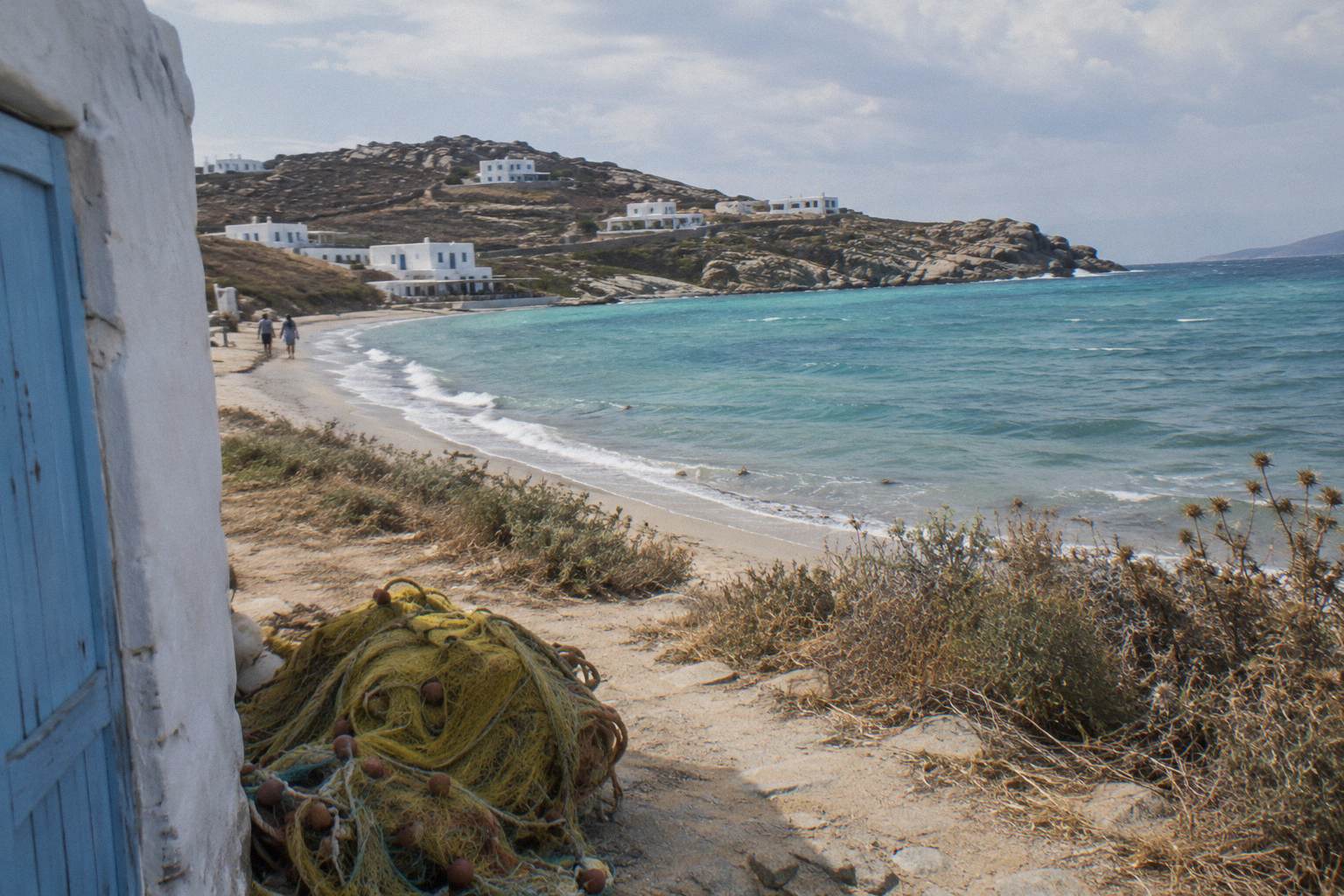
The one boat-based option also belongs in a marine-life answer, because a moving tour covers water that shore trips cannot reach. The Hidden Bays RIB tour from Mykonos Outdoors starts at Ornos Bay, from €680 per group for a private boat with skipper and snorkelling instructor, two hours in all with about 45 minutes of snorkelling in a rocky inlet that the operator says is sheltered from the northerly winds, plus optional low cliff jumps and a 20-minute stop at a beach near Kalo Livadi, weather permitting. Minimum age 5, mask, snorkel, fins and short-sleeved wetsuits included, free cancellation up to 24 hours before the start. The operator's entry names no species, so the plain shape of the claim is simply this: a rocky inlet is fish habitat, and the tour does not say which fish.
What Trips People Up When Reading Marine-Life Lists?
The classic slips: treating a named species as a guaranteed sighting, expecting the try-dive shore trips to reach the deeper reefs on operators' site pages, assuming the two Panormos trips carry a species list when neither does, and forgetting that the three Paradise Beach dive-centre products are all sales final. Each of these turns a good trip into a disappointment that the trip itself never promised.
The first trap needs saying once more because it catches everyone: "may be seen" means may. Rainbow wrasse are common enough that a day with none would be odd, but seahorses, moray eels and octopus can all stay hidden for a full hour on a healthy reef. The right frame is that the list describes residents of the reef, and the trip buys the reef, the guide and the hour, not the animals.
The second trap is reading an operator's full site menu onto a beginner product. GoDive's pages describe Kalafakiona Reef and cavern dives at Tragonisi, and the Paradise centre says its waters include two shipwrecks, but the First-Timer Try Dive is a shore dive at Lia reef and the Beginner Dive is a shore dive on Paradise House Reef. Nobody on either trip goes near a wreck or a cavern. Deeper site descriptions are context for what the island's waters hold, not an itinerary.
The third trap is cancellation expectations. The two Panormos snorkels, the Hidden Bays boat tour and the GoDive try dive all carry free cancellation up to 24 hours before the start, with a weather condition applying. The three Paradise Beach dive-centre products, the Beginner Dive, the guided beach snorkel and the Certified Divers One Tank trip, are all sales final, also with a weather-cancellation condition. Anyone booking the Paradise centre's house-reef dive for its species list is making a firm booking to see that reef, whatever the fish decide to do.
One planning note that pairs with any dive: Divers Alert Network recommends a minimum preflight surface interval of 12 hours after a single no-decompression dive, and 18 hours after multiple dives in a day or over multiple days (DAN's flying-after-diving guidance). For the deeper context on the reefs and sites operators describe around the island, the guide to Mykonos dive sites, wrecks and Dragonisi keeps the beginner trips and the advanced-site descriptions clearly apart.
Common Questions About Marine Life Off Mykonos
What Marine Life Will You See Diving Or Snorkelling Off Mykonos?
The Paradise Beach dive centre names groupers, barracuda, octopus, rainbow wrasse, moray eels and flounders for divers and parrotfish, wrasses, sea breams, scorpionfish and seahorses for snorkellers, with starfish, octopus and sponges on its beginner-dive description. GoDive names sponges and nudibranchs at Lia Reef and barracuda schools at Kalafakiona Reef. Every list is a possibility named by the operator, never a promise.
Are Seahorses Really On A Mykonos Snorkelling List?
Yes, the dive centre at Paradise Beach lists seahorses among what snorkellers may see. Seahorses are small and expert at staying hidden, so the name belongs on a list of residents rather than a list of likely sightings. The one-hour Group Beach Snorkeling trip, from €99 per person, is the product that puts a guide on that beach.
Can You See A Wreck Or A Cavern On Any Of These Trips?
No. GoDive's site pages describe the Anna II wreck and the Tragonisi caverns, and the Paradise centre says its waters include two shipwrecks, but every trip bookable here is a shore dive, shore snorkel or coastal boat tour. No trip visits a wreck or a cavern. Scattered ancient amphora pieces are named at Kalafakiona Reef, and Greek heritage law protects them: look, do not touch.
Is Octopus Common Around The Island?
Octopus is the one animal named by two different operators on different coasts: the Paradise Beach centre lists it for both divers and its beginner-dive description, and it appears among what may be encountered on its reef. GoDive's lists for Lia and Kalafakiona do not name it. Common is the wrong word, since neither operator gives a sighting rate, but it is a resident of at least one named reef here.
Which Trip Is Best For Seeing Reef Life As A Non-Diver?
The Group Beach Snorkeling trip at Paradise Beach, from €99 per person, is the only shore snorkel with an operator species list attached to its beach: parrotfish, wrasses, sea breams, scorpionfish and seahorses may be seen there, with a guide in the water for one hour. The Hidden Bays RIB tour, from €680 per group, adds a rocky-inlet snorkel but names no species.
What Is The Water Like, And When Is It Warmest?
The dive centre at Paradise Beach lists in its own FAQ sea temperatures of 16 to 17 degrees Celsius in April, 18 to 20 in June, 20 to 24 in July and August, and 18 to 20 in October. Those are the centre's figures, not a forecast, and the trips here run on their own schedules regardless. The full month-by-month breakdown sits in the sea temperature guide for Mykonos dive trips.